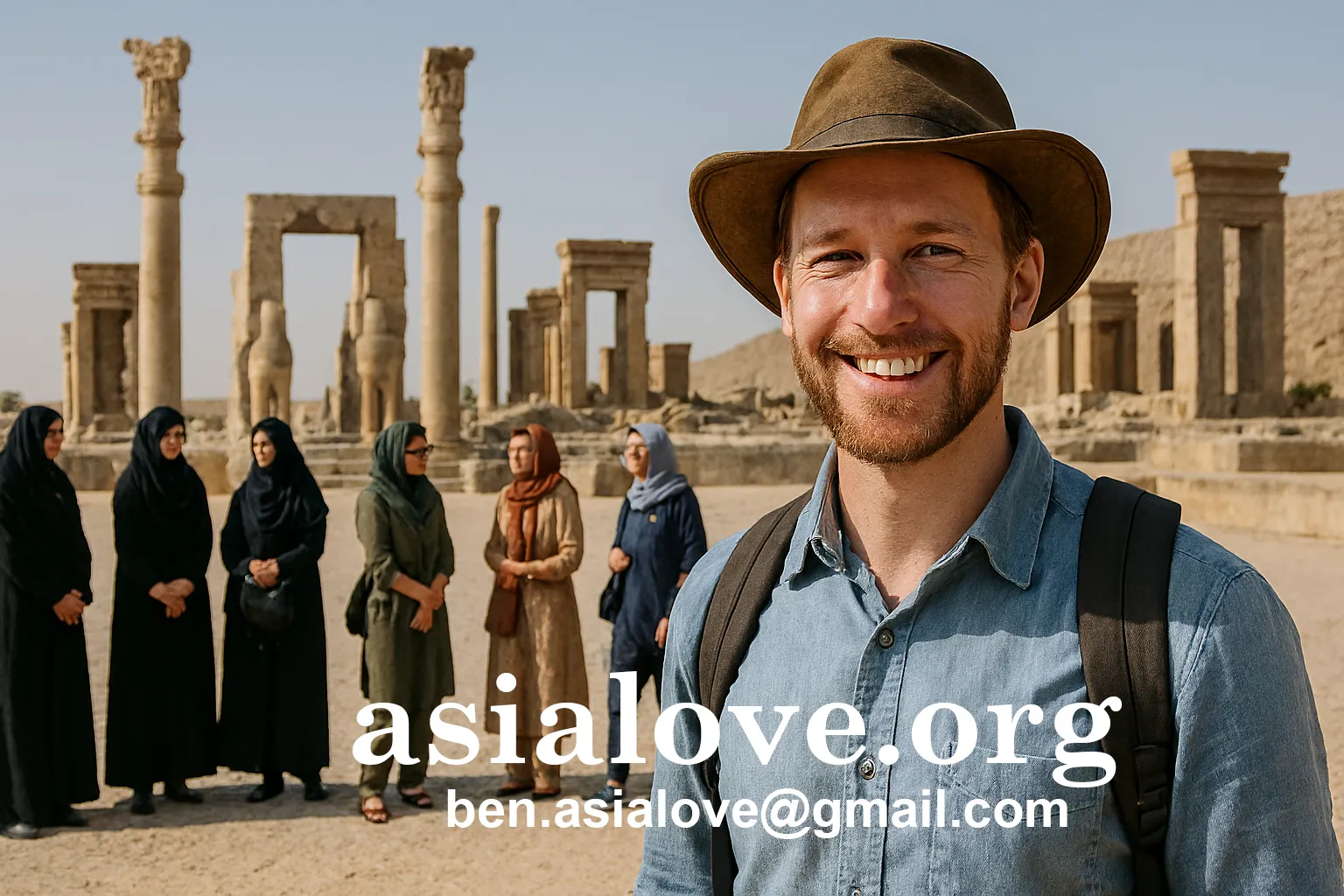
Iran
Dating culture, etiquette, and practical travel notes (heterosexual focus)
Overview
Iran is one of the most culturally rich and socially complex destinations in West Asia. Dating is shaped by Islamic law and strong family traditions, but for patient, respectful Westerners, meaningful relationships are possible—especially within cosmopolitan, educated circles in Tehran and other large cities.
Quick Facts (People & Society)
Demographic figures reflect UN DESA & Statistical Center of Iran 2026 projections. Percentages are approximate due to varying census methodologies and self‑identification.
How Dating Works Here
Dating between unmarried men and women is heavily restricted in public. Most connections start through private introductions, family arrangements, or—among more liberal circles—through discreet use of social media and messaging apps. Public displays of affection can result in police attention.
Relationships with Iranians often move slowly, with early emphasis on trust and discretion. Many local women prefer to meet in safe, semi‑public spaces like cafés rather than overtly romantic venues. Expats and Westerners are generally viewed with curiosity, but also with caution.
Where People Actually Meet
Iran has no legal nightclubs, alcohol‑serving bars, or public dating venues. Socializing occurs primarily in cafés, art galleries, bookstores, cultural centers, and private gatherings. Connections are often built through trusted networks, professional circles, or shared hobbies. Discretion, respect for local norms, and patience are essential.
- Café Tehroon — No. 59, Iranshahr St., Tehran. Trendy café with a young, educated clientele; occasional acoustic performances and art displays.
- Sam Center / Sam Café — Fereshteh St., North Tehran, Tehran. High‑end café and commercial complex; popular among professionals and creatives for informal meetings.
- Niavaran Cultural Center — Niavaran Square, Tehran. Hosts exhibitions, theater, and literary events; socially acceptable space for networking and conversation.
- Tabiat Bridge & Ab‑o‑Atash Park — Modarres Highway, Tehran. Scenic public space; popular for evening walks, photography, and casual group meetups.
- Private/Community Networks — University alumni groups, language exchange circles, hiking clubs, and art workshops. Trust‑based introductions remain the most reliable path to meaningful connections.
Venue hours, operating licenses, and cultural programming can change due to regulatory shifts. Always verify locally before visiting. Public interaction between unrelated men and women is subject to local decency norms and monitoring.
Alternative Meeting Places
While Iran has no licensed bars or nightclubs, a parallel social world exists for those "in the know." Private gatherings—often in apartments, villas, or rented event spaces—are where more liberal socializing happens. These are strictly by invitation and typically arranged through trusted friends or mutual contacts. Foreigners rarely gain access without strong local connections.
Many such events feature music, dancing, and—in some cases—alcohol, which is illegal in Iran. Attendance carries legal risks if discovered, so even locals maintain tight discretion. If invited, follow the host's lead: arrive on time, respect any house rules, and never post photos or details online.
A safer, semi‑public alternative is to attend private art gallery openings, literary salons, or underground music performances. These attract educated, creative circles and can be excellent networking spaces without overtly breaking laws.
Insider Notes & Quotable Voices
"Dating exists, but you need to be discreet. Cafés and cultural events are safest." — r/iran
"Meeting someone is easier through trusted friends; cold approaches in public are rare." — r/expats
"The private party scene in Tehran is where real socializing happens, but it's by invitation." — Reddit travel forum
Forum quotes are snapshots, not rules—the environment remains highly regulated.
Do's & Don'ts for Sexual Relationships
✓ Do
- Ensure absolute discretion—sexual relations outside marriage are illegal.
- Build strong trust before discussing intimacy.
- Respect religious and cultural boundaries; modesty is key.
✗ Don't
- Don't engage in public displays of affection—risk of arrest is real.
- Don't assume Western dating timelines apply; patience is essential.
- Don't keep compromising photos or messages on your phone—they can be used against you.
Legal & Practical Notes
- Relationships & Marriage Law: Extramarital relationships and cohabitation are illegal under Iranian law. Sexual activity outside marriage is a criminal offense with severe penalties. Legal marriage or recognized temporary marriage (sigheh) are the only lawful frameworks for intimacy.
- Public Conduct & Dress Code: Modest dress codes and hijab requirements apply to all women in public spaces. Public displays of affection between unrelated individuals are prohibited and can result in fines, detention, or deportation for foreigners.
- Alcohol & Substances: Production, sale, and consumption of alcohol are strictly illegal. Drug offenses carry extremely severe penalties, including long‑term imprisonment or capital punishment.
- Digital & Communication Risks: Social media and messaging apps (Telegram, Instagram, WhatsApp) are widely used but subject to state monitoring and periodic filtering. Avoid discussing sensitive political, religious, or security‑related topics online or in person.
- Visitor Safety & Discretion: Iran is generally safe regarding violent crime, but legal and social boundaries are strictly enforced. Carry identification at all times. Use verified transportation. Maintain strict privacy; reputations and legal scrutiny can escalate quickly if norms are perceived as violated.
Overview of laws, cultural context, and historical punishments
References (APA 7th Edition)
- United Nations, Department of Economic and Social Affairs. (2026). World population prospects: Iran. https://population.un.org/wpp/Countries/Profile/IRN
- Statistical Center of Iran. (2025). Population and demographic estimates. https://www.amar.org.ir/
- Office of the Supreme Leader. (2025). Official biographical archive. https://www.leader.ir/
- Presidential Office, Islamic Republic of Iran. (2024). President Masoud Pezeshkian: Official profile. https://www.president.ir/
- Ethnologue. (2024). Languages of Iran (27th ed.). SIL International. https://www.ethnologue.com/country/IR/languages
- U.S. Department of State. (2026). Iran travel advisory. https://travel.state.gov/content/travel/en/traveladvisories/traveladvisories/iran-travel-advisory.html
- Islamic Penal Code of Iran. (2013, as amended). Articles on public decency, extramarital relations, and moral offenses. Judiciary of the Islamic Republic of Iran.
- Niavaran Cultural Center. (2025). Event calendar & exhibitions. https://niavarancomplex.com/
- Amnesty International. (2025). Iran: Human rights and legal context overview. https://www.amnesty.org/en/location/middle-east-and-north-africa/middle-east/iran/
Note: Iran's legal, social, and regulatory environment is highly restrictive and subject to rapid change. Venue operations, cultural programming, and enforcement priorities may shift. Verify critical information with official sources and current travel advisories before engagement. This guide is for cultural reference only and does not constitute legal or relationship advice.