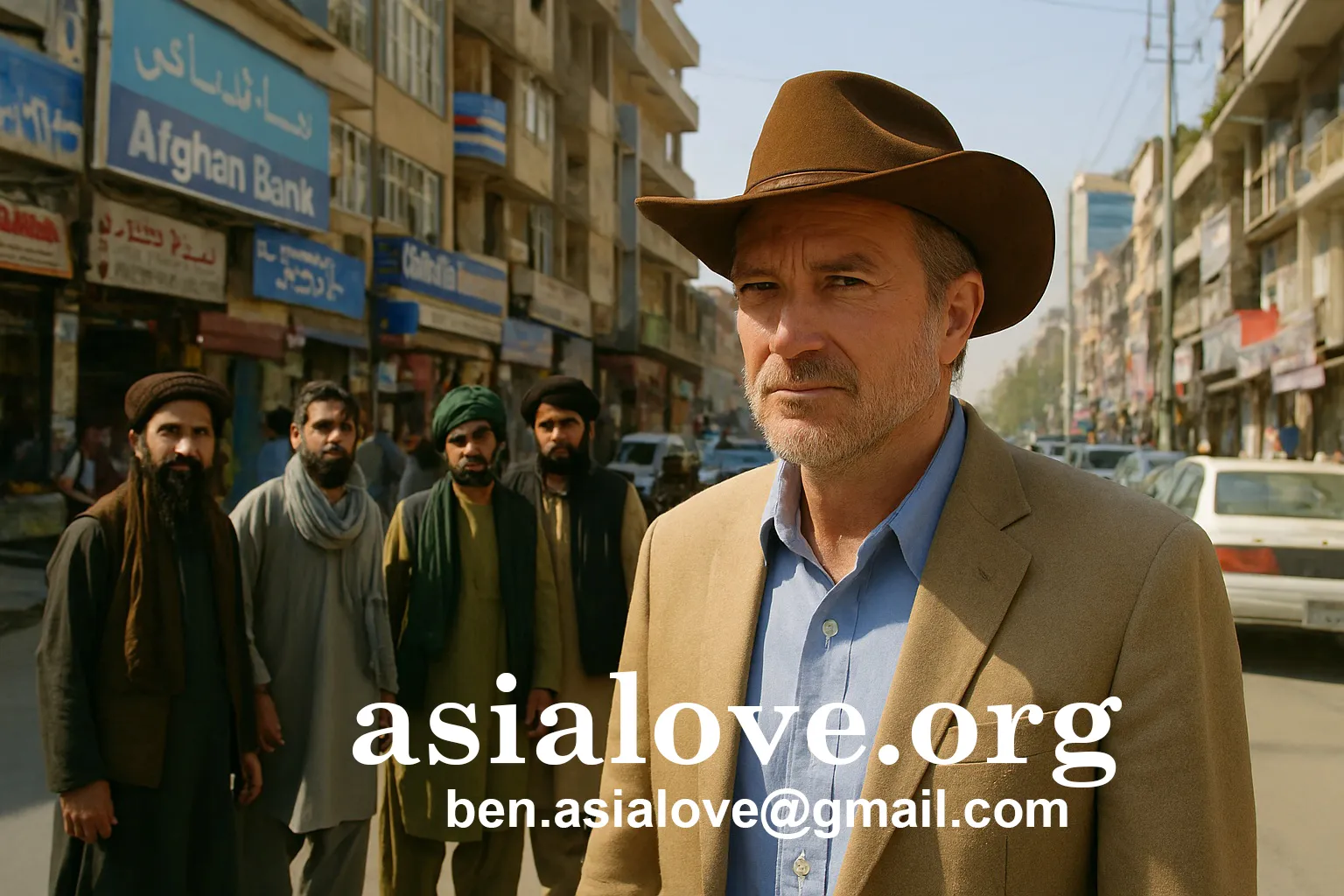
Afghanistan
Concise culture, etiquette, demographics, and practical travel notes
Overview
Afghanistan is unlike most of Asia when it comes to dating. Public courtship is virtually nonexistent, and the social environment is tightly bound by religion, family honor, and community opinion. Any romantic interaction with a local woman takes place under a watchful network of relatives and family friends, often in private settings, and moves at a slow, deliberate pace.
For foreigners, opportunities tend to exist within the expatriate and NGO community, or through Afghan diaspora connections made abroad. Note: Governance is under the Taliban; policies and conditions change frequently. Verify rules on movement, assembly, and women's participation before travel.
Quick Facts (People & Society)
Population (mid‑2025 est.): ≈ 43.8 million (Worldometer/UN)
Leader: Hibatullah Akhundzada — Supreme Leader (Taliban); Acting PM: Mohammad Hasan Akhund
Languages: Dari (Afghan Persian) and Pashto (official); Uzbeki, Turkmeni, Urdu, English also spoken
Ethnic groups: Pashtun ~42%, Tajik ~27%, Hazara ~9%, Uzbek ~9%, Turkmen ~3%, Baloch ~2%, others ~8%
Estimates vary; figures indicative. Use latest UN/census data if a single definitive number is required.
Where People Actually Meet
For foreigners in-country: Due to current restrictions, mixed-gender socializing in public venues is generally not permitted. Most prior expatriate social infrastructure has dissolved. Any interaction should be discreet, culturally appropriate, and ideally chaperoned. Digital communication carries risks; verify identities and avoid sensitive topics.
Recommended: Diaspora connections — For those genuinely interested in Afghan culture and relationships, connecting with the Afghan diaspora in countries with open social norms is far safer and more practical:
- Germany (Berlin, Frankfurt): Large community; cultural associations and language exchanges
- United States (Fremont, CA; Northern Virginia): Established networks; community centers and events
- Australia (Sydney, Melbourne): Multicultural meetups and cultural festivals
- Canada (Toronto, Vancouver): Professional networks and cultural celebrations
- UAE (Dubai, Abu Dhabi): Regional hub for Afghan professionals (within local norms)
Apps & digital meeting: Mainstream dating apps have minimal active users inside Afghanistan. They are more viable for diaspora connections. Always verify profiles, protect personal information, and never share intimate media.
Cultural note: Afghan relationships are family-centered. Serious intentions, modesty, and patience are essential. Let connections develop organically through shared values and mutual respect.
How to Connect Respectfully
- Join diaspora cultural associations, language exchange groups, or professional networks (e.g., Afghan Women's Network, InterNations chapters).
- Attend public cultural events (Nowruz celebrations, poetry readings, food festivals).
- Use mainstream apps with diaspora filters (e.g., set location to Berlin or Fremont on Bumble/Tinder).
- Prioritize friendship and cultural learning first; let relationships develop organically.
Apps & Digital Meeting (Use with Caution)
- Mainstream apps: Tinder, Bumble, Facebook Dating have minimal active users inside Afghanistan; more viable for diaspora connections.
- Messaging platforms: WhatsApp, Signal, Telegram are commonly used—but verify identities carefully.
- Safety reminder: Never share sensitive personal information, financial details, or intimate media. Scams and exploitation risks are elevated in unstable contexts.
Cultural & Ethical Guidance
- Family matters: Afghan culture is deeply family-oriented. Serious relationships involve family approval; rushing this process is disrespectful.
- Modesty & discretion: Public displays of affection are inappropriate. Dress conservatively and observe local norms.
- Intentions: Be transparent about your goals. If you are not seeking marriage or long-term commitment, communicate this early and respectfully.
- Power dynamics: Be mindful of economic, legal, or immigration disparities. Avoid relationships that could be perceived as exploitative.
Legal Framework
Afghanistan operates under Taliban governance with strict interpretations of Islamic law. Public interaction between unrelated men and women is heavily restricted. Sexual relations outside marriage carry severe penalties. Foreigners are not exempt from local laws. Always verify current regulations before travel or engagement.
References (APA)
- United Nations, Department of Economic and Social Affairs, Population Division. (2024). World population prospects 2024: Afghanistan. https://population.un.org/wpp/Countries/Profile/AFG
- Worldometer. (2026). Afghanistan population (2026). World Population Review. https://www.worldometers.info/world-population/afghanistan-population/
- Special Inspector General for Afghanistan Reconstruction (SIGAR). (2025). Quarterly report to the United States Congress. https://www.sigar.mil/reports/quarterly-reports/
- United States Institute of Peace. (2025). Afghanistan: Governance and the Taliban. https://www.usip.org/countries/afghanistan
- Ethnologue. (2024). Languages of Afghanistan (27th ed.). SIL International. https://www.ethnologue.com/country/AF/languages
- Clear Global. (2025). Language data for Afghanistan. https://clearglobal.org/language-data-for-afghanistan/
- Minority Rights Group. (2024). Afghanistan: Ethnic and religious minorities. https://minorityrights.org/country/afghanistan/
- United Nations Assistance Mission in Afghanistan (UNAMA). (2025). Human rights reports and situation updates. https://unama.unmissions.org/
- U.S. Department of State. (2026). Afghanistan travel advisory. Bureau of Consular Affairs. https://travel.state.gov/content/travel/en/traveladvisories/traveladvisories/afghanistan-travel-advisory.html
- UK Foreign, Commonwealth & Development Office. (2026). Foreign travel advice: Afghanistan. https://www.gov.uk/foreign-travel-advice/afghanistan
- Human Rights Watch. (2025). Afghanistan: Events of 2025. World Report. https://www.hrw.org/asia/afghanistan
- Amnesty International. (2025). Afghanistan: Annual report on human rights. https://www.amnesty.org/en/location/asia-and-the-pacific/south-asia/afghanistan/
- Afghan Women's Network. (2025). Resources and advocacy for Afghan women. https://www.awn.org.af/
- InterNations. (2026). Afghan expat communities worldwide. https://www.internations.org/
- International Organization for Migration (IOM). (2025). Afghanistan displacement and diaspora data. https://afghanistan.iom.int/
- Reuters / BBC Monitoring. (2025–2026). Afghanistan country profile and news updates. https://www.reuters.com/world/asia-pacific/afghanistan/ | https://www.bbc.com/news/world-asia-11982384
Note: Afghanistan's legal and social landscape is rapidly evolving under Taliban governance. Population figures, leadership titles, and policy interpretations may change. Always verify critical information with multiple official or humanitarian sources. This guide is for informational and cultural reference only and does not constitute legal, travel, or relationship advice.